Case Study: Successful Solar Panel Installation in qathet Regional District


Introduction to the Project
The qathet Regional District recently witnessed a remarkable transformation with the successful installation of solar panels across several key locations. This initiative is a part of the district’s ongoing commitment to sustainable energy solutions and reducing its carbon footprint. The project not only underscores the region’s dedication to environmental responsibility but also demonstrates the practical benefits of solar energy.
Project Goals and Objectives
The primary goal of the solar panel installation was to harness renewable energy to power public facilities and reduce reliance on non-renewable energy sources. By doing so, the district aimed to achieve the following objectives:
- Reduce annual energy costs.
- Decrease greenhouse gas emissions.
- Set a precedent for other regions to adopt similar initiatives.
Selection of Locations
Choosing the right locations was crucial for maximizing the efficiency and impact of the solar panels. The district conducted a thorough analysis to identify sites with optimal sunlight exposure, including community centers, libraries, and municipal buildings. This strategic selection ensured the highest possible energy yield.
Implementation Process
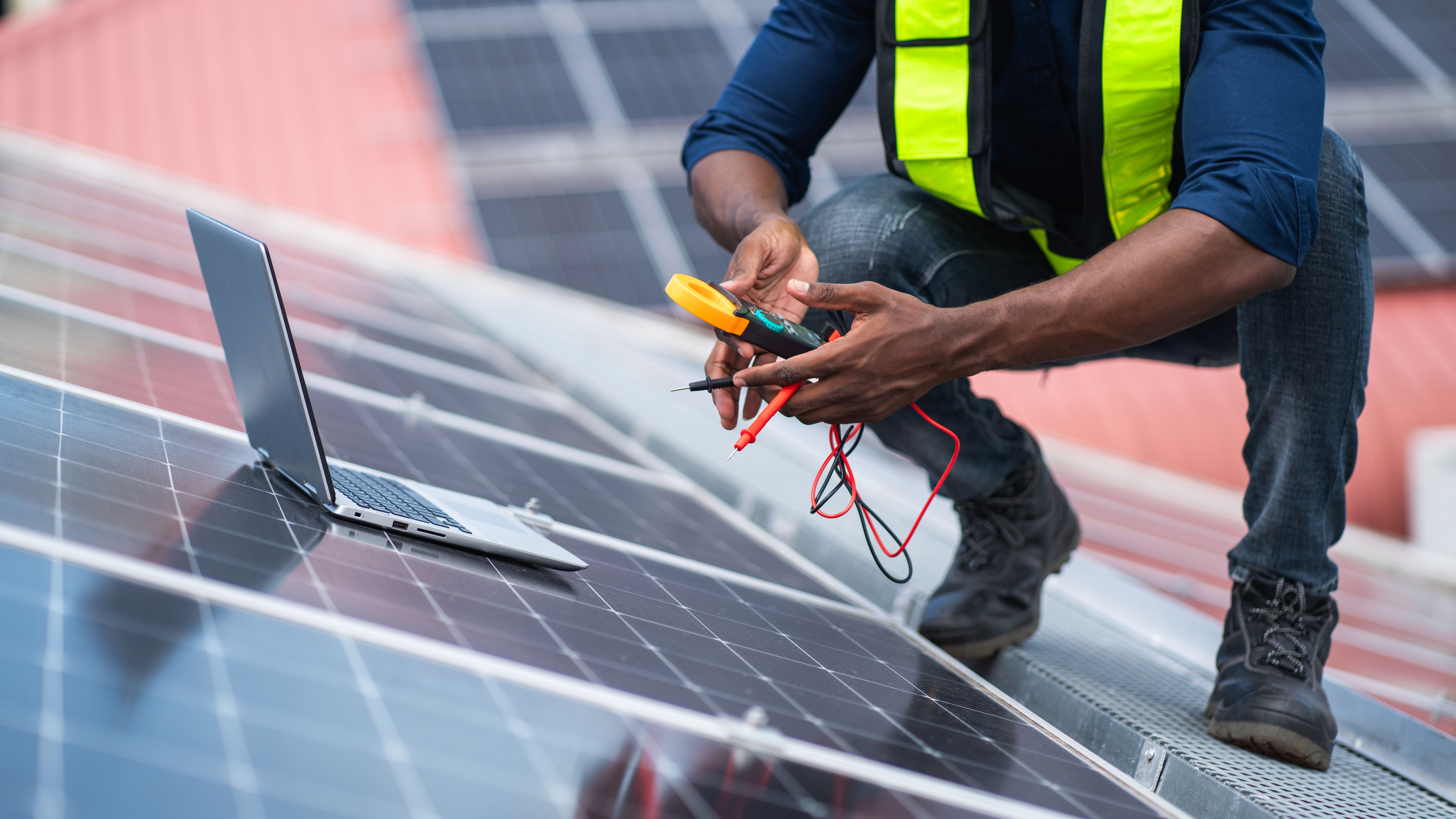
The installation process was meticulously planned and executed in several phases. The first phase involved the assessment of existing infrastructure to determine compatibility with solar technology. This was followed by the installation of panels, inverters, and monitoring systems to ensure seamless integration.
Challenges and Solutions
Like any large-scale project, the installation faced challenges, including weather-related delays and logistical issues. However, the project team employed innovative solutions, such as flexible scheduling and advanced technology, to mitigate these obstacles. The use of local contractors also helped streamline operations and supported the local economy.

Results and Impact
The successful completion of the project has resulted in significant environmental and economic benefits. The district has reported a substantial reduction in energy costs, which allows for reallocation of funds to other community projects. Additionally, the solar panels have decreased the district's carbon emissions, contributing to global sustainability efforts.
Community Engagement
Engaging the community was a vital component of the project. Workshops and informational sessions were conducted to educate residents about the benefits of solar energy and how they can contribute to a greener future. This initiative has inspired many locals to consider solar solutions for their homes and businesses.

Future Prospects
Building on this success, qathet Regional District plans to expand its solar initiatives. Future projects may include the installation of solar panels in residential areas and the exploration of complementary technologies such as energy storage systems. These efforts will further solidify the district's role as a leader in sustainable energy.
In conclusion, the solar panel installation in qathet Regional District serves as a powerful case study for effective renewable energy implementation. It highlights the importance of strategic planning, community involvement, and innovation in achieving sustainability goals. This project sets a benchmark for other regions aiming to embrace renewable energy solutions.