Common Misconceptions About Solar Energy Debunked


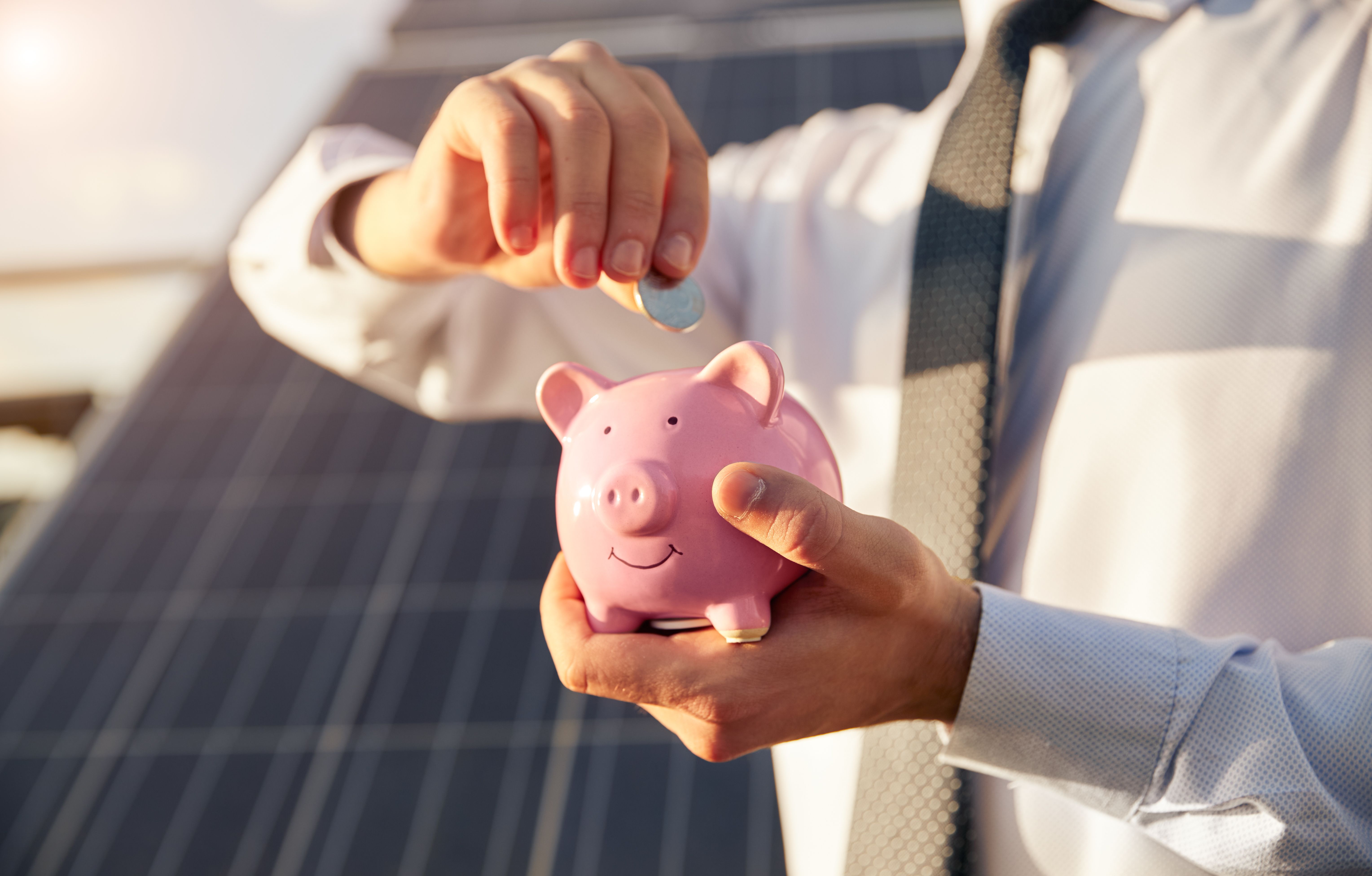
Solar Energy Is Too Expensive
One of the most common misconceptions about solar energy is that it is prohibitively expensive. While the initial setup costs can be significant, the long-term savings often outweigh these initial expenses. Many governments offer incentives and tax breaks to encourage the adoption of solar energy, making it more affordable for homeowners and businesses.
Additionally, the cost of solar panels has decreased significantly over the past decade. Advances in technology and increased competition have made solar energy more accessible than ever before. Investing in solar energy can lead to substantial savings on electricity bills over time.
Solar Panels Require Constant Maintenance
Another misconception is that solar panels require constant maintenance to function effectively. In reality, solar panels are designed to be low-maintenance. They have no moving parts, which minimizes the risk of mechanical failure. Most solar panel systems only need a periodic cleaning to remove dirt and debris.
Furthermore, solar panels are built to withstand harsh weather conditions, including snow, rain, and wind. Manufacturers often provide warranties that last 20 to 25 years, ensuring that your investment is protected.
Solar Energy Isn't Reliable
Many people believe that solar energy is unreliable due to its dependence on sunlight. While it's true that solar panels generate electricity only when the sun is shining, modern systems are designed to store excess energy in batteries for use during cloudy days or at night.
Moreover, solar energy can be integrated with traditional power grids, providing a consistent and reliable energy supply. This hybrid approach ensures that you have access to electricity even when sunlight is limited.
Solar Panels Are Bad for the Environment
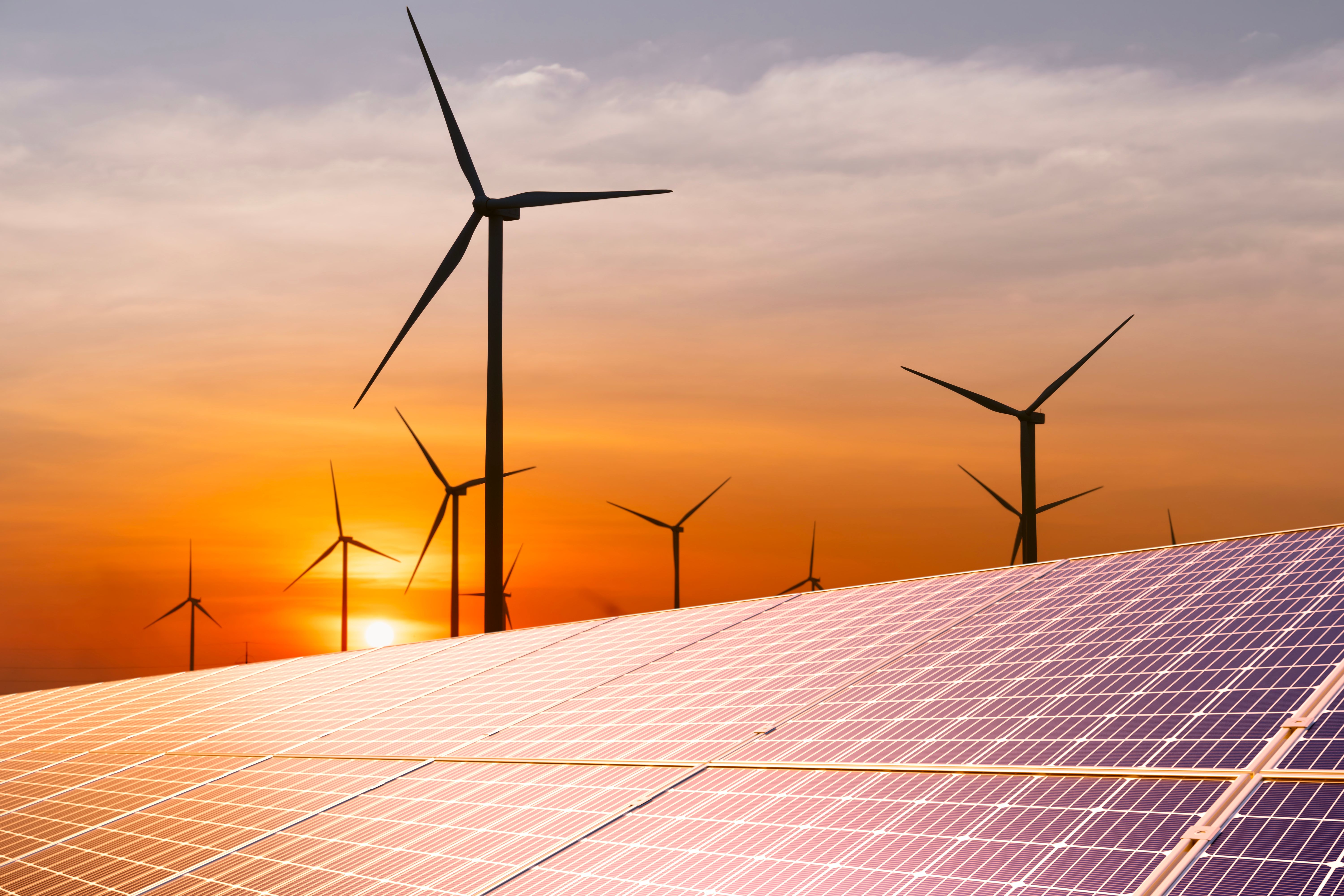
Some critics argue that the production and disposal of solar panels are harmful to the environment. While the manufacturing process does involve some environmental impact, it is relatively minor compared to the environmental benefits of using clean, renewable energy.
Over their lifespan, solar panels generate significantly more energy than is required for their production, resulting in a net positive environmental impact. Recycling programs are also being developed to minimize waste and support sustainable practices.
Solar Energy Is Only for Sunny Climates
It's a common belief that solar energy is only effective in sunny climates. However, solar panels can generate electricity even on cloudy days. Germany, known for its cloudy weather, is one of the world's leading producers of solar energy.
Solar technology continues to advance, improving efficiency and effectiveness in a variety of weather conditions. This makes solar energy a viable option for regions with diverse climates.
Solar Energy Takes Up Too Much Space
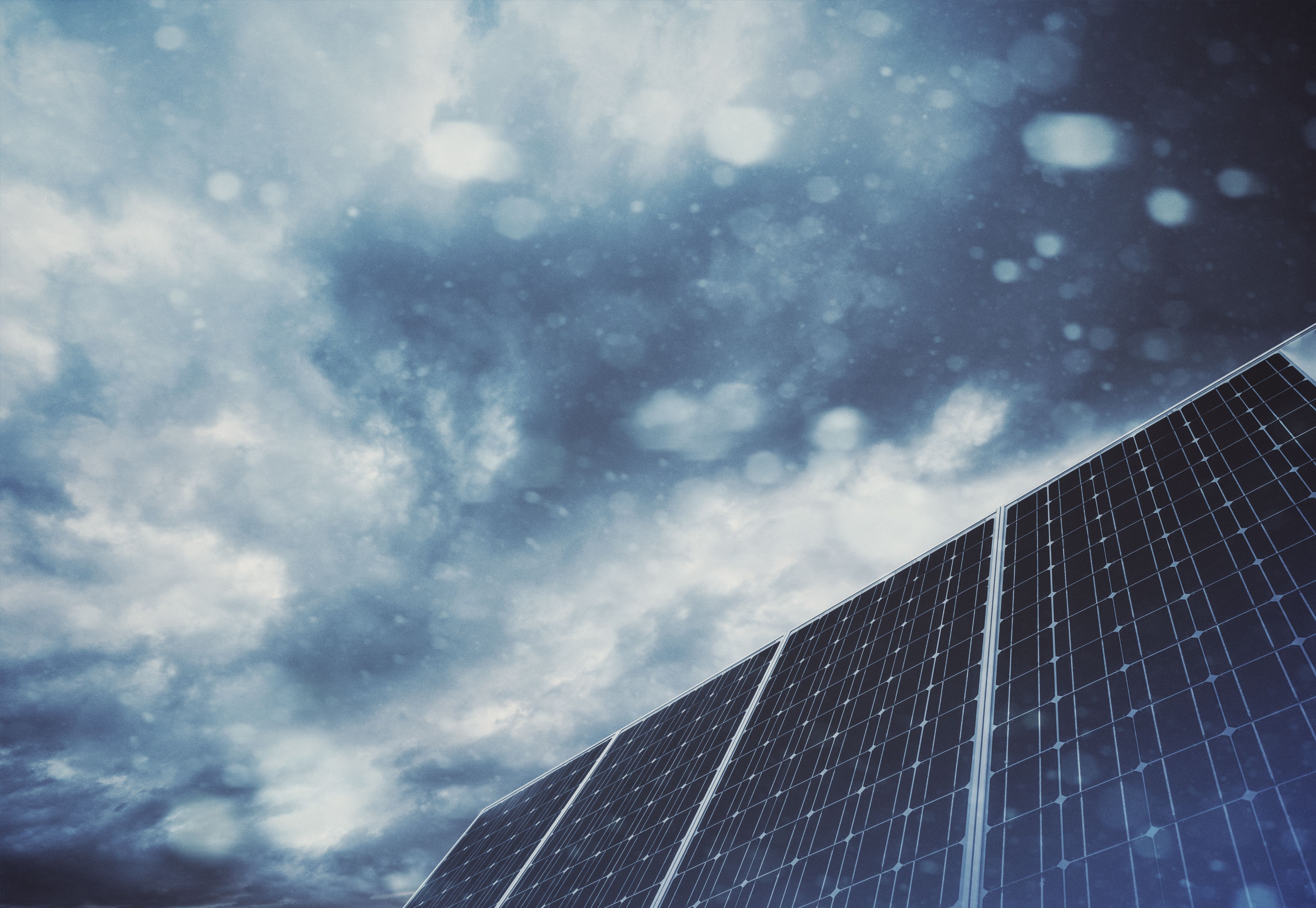
Some people worry that installing solar panels requires a large amount of space. While it's true that larger systems need more space, many solutions exist for homes and businesses with limited space. Rooftop installations are a popular choice, making efficient use of existing structures.
For those with more land, ground-mounted systems can be an effective solution. Additionally, solar technology is being integrated into building materials, allowing for innovative and space-efficient designs.