Comparing Solar Panels: Which Type is Best for Your BC Home?


Understanding Solar Panel Types
As more homeowners in British Columbia consider sustainable energy solutions, solar panels are becoming an increasingly popular choice. However, with several types of solar panels available, it can be challenging to determine which is best for your home. In this guide, we’ll explore the main types of solar panels and help you decide which one suits your specific needs.

Monocrystalline Solar Panels
Monocrystalline solar panels are known for their high efficiency and sleek appearance. They are made from a single, pure crystal structure, allowing them to convert more sunlight into electricity compared to other types. This makes them ideal for homes with limited roof space.
Advantages:
- High efficiency rates, often above 20%
- Long lifespan, typically over 25 years
- Performs well in low-light conditions
Considerations: While monocrystalline panels are efficient, they tend to be more expensive than other options. Homeowners need to weigh the initial investment against long-term savings.
Polycrystalline Solar Panels
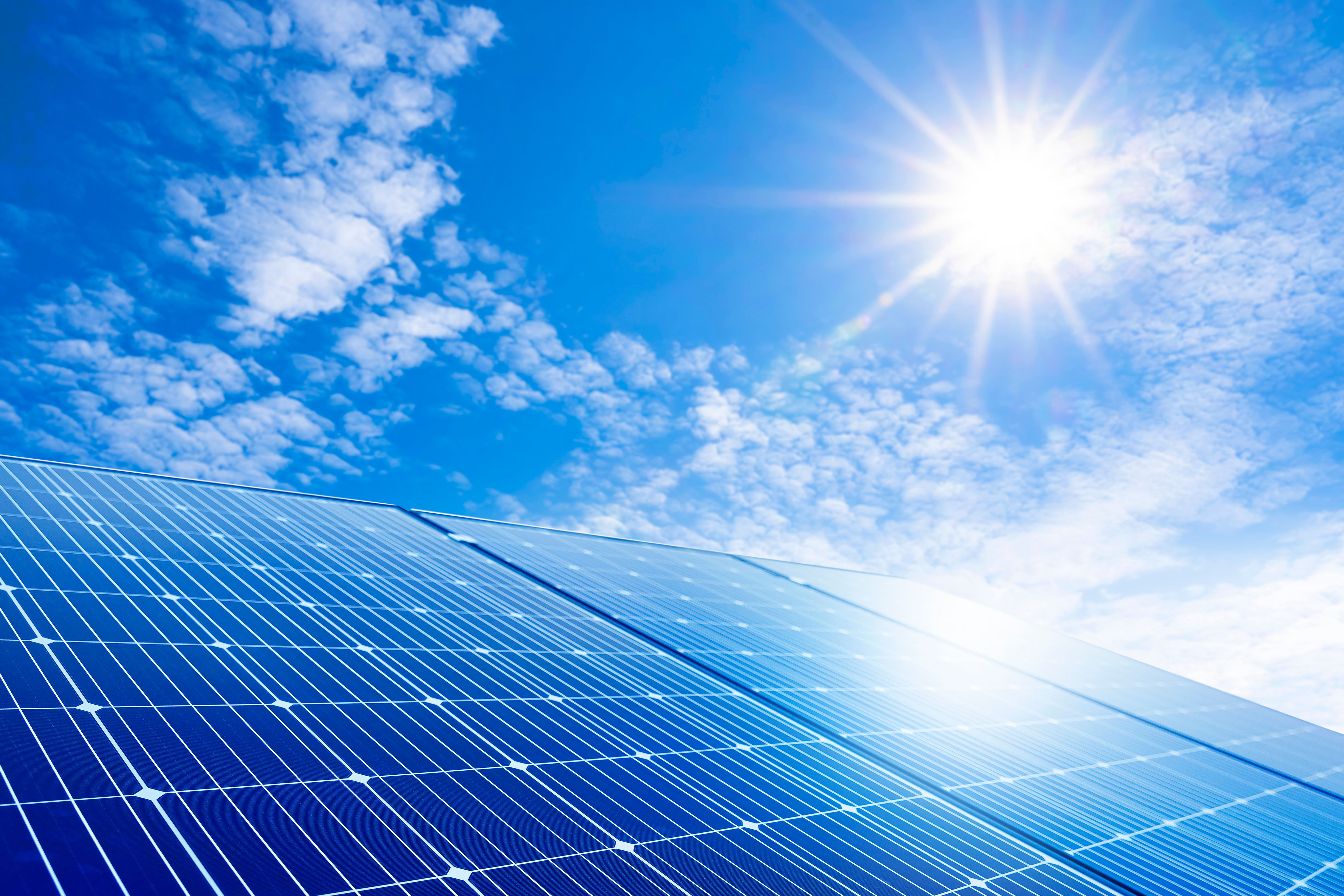
Polycrystalline solar panels are made from multiple silicon crystals, giving them a distinctive blue hue. They are generally more affordable than monocrystalline panels, making them a popular choice for budget-conscious homeowners.
Advantages:
- Lower cost compared to monocrystalline panels
- Good performance in warm weather
Considerations: Polycrystalline panels are slightly less efficient, usually around 15-17%. They also tend to have a shorter lifespan, though still robust enough for most residential needs.
Thin-Film Solar Panels
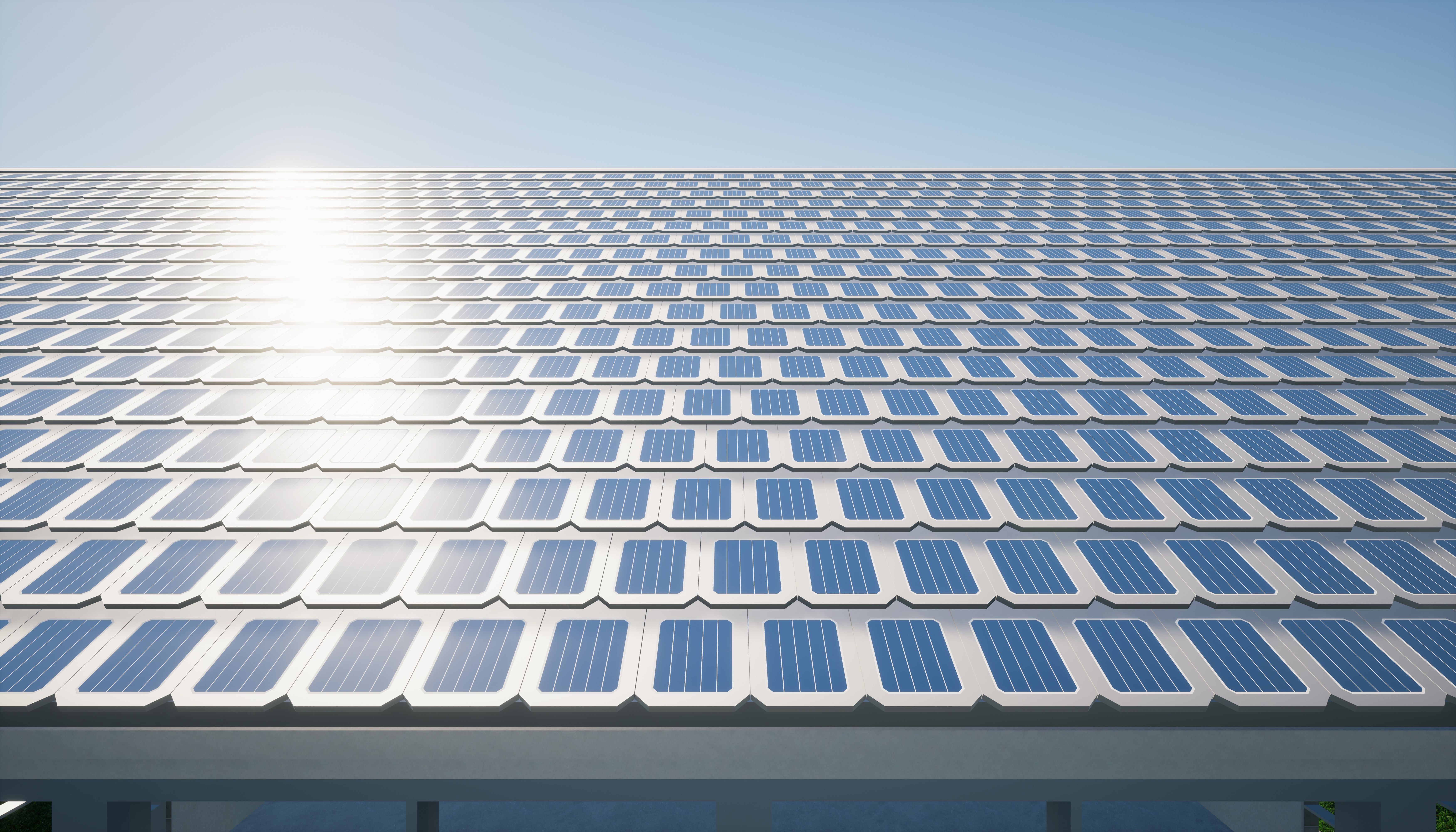
Thin-film solar panels are the most versatile and lightweight option available. They are made by depositing one or more thin layers of photovoltaic material onto a substrate. This flexibility allows them to be installed on a variety of surfaces, including curved roofs.
Advantages:
- Lightweight and flexible, ideal for unique installations
- Performs well in low-light conditions and high temperatures
Considerations: Thin-film panels have the lowest efficiency rates, usually between 10-12%. They are best suited for large areas where installation space is not a concern.
Factors to Consider When Choosing Solar Panels
When selecting solar panels for your BC home, consider factors such as your budget, roof space, and energy needs. It's essential to evaluate the efficiency, lifespan, and cost of each type to ensure you make an informed decision.
Consulting with a local solar energy expert can provide valuable insights tailored to your specific circumstances. They can assess your home and recommend the best solar panel type to maximize your energy savings and sustainability efforts.
Embracing solar energy is a significant step towards reducing your carbon footprint and saving on energy costs. By understanding the differences between solar panel types, you can make a choice that aligns with both your environmental values and practical needs.