DIY Electrical Repairs: What to Fix and What to Leave to the Professionals


Understanding DIY Electrical Repairs
When it comes to home maintenance, some tasks are suitable for DIY enthusiasts, while others require professional expertise. DIY electrical repairs can be tempting due to the potential cost savings, but knowing what you can safely handle is crucial. In this guide, we'll discuss which electrical repairs you might tackle yourself and which should be left to the professionals.
Simple Electrical Repairs You Can Do Yourself
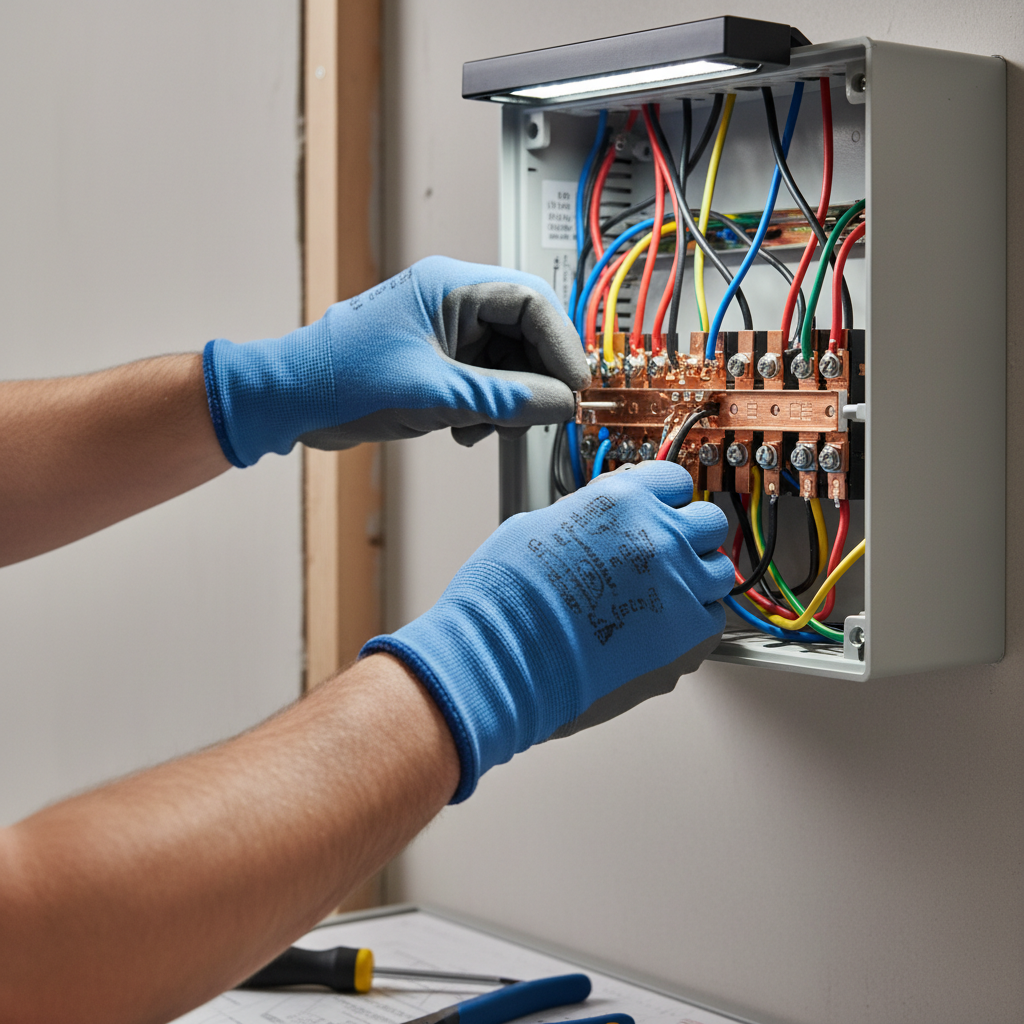
There are a few electrical repairs that homeowners can confidently handle on their own. These include tasks such as changing light bulbs, replacing outlet covers, and resetting circuit breakers. These tasks are straightforward and involve minimal risk. However, always ensure the power is off before you begin any electrical work.
Another common DIY project is installing or replacing a ceiling fan. With the right tools and instructions, this can be a manageable task for someone with basic DIY skills. Just be sure to follow the manufacturer's instructions carefully and double-check all connections.
When to Call in the Professionals
While some tasks are DIY-friendly, others should always be left to professionals. Complex repairs, such as rewiring a home, installing new circuits, or working with a breaker panel, require specialized knowledge and tools. Attempting these tasks without the proper experience can be dangerous and may lead to significant damage or injury.
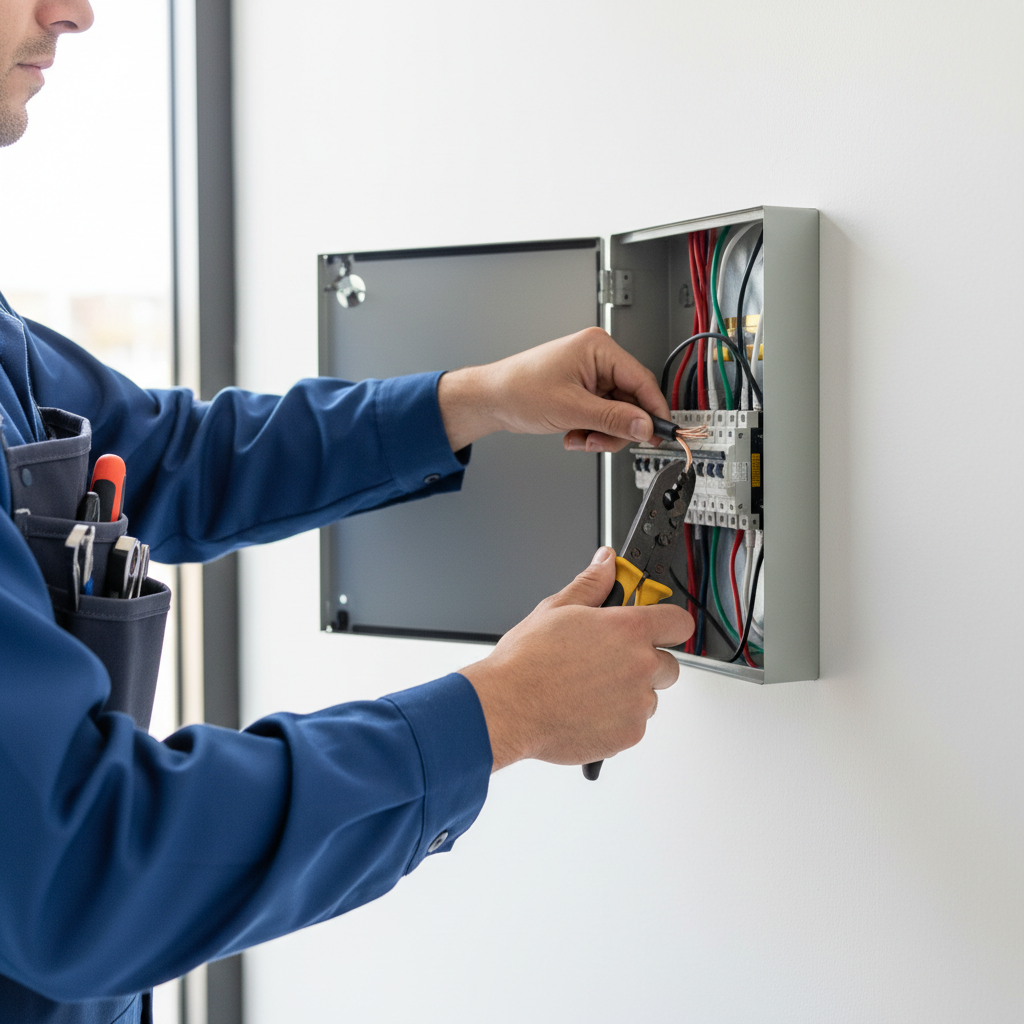
If you notice frequent tripping of circuit breakers, flickering lights, or burning smells, it’s best to consult an electrician. These issues could indicate serious electrical problems that need immediate attention.
Safety First: Essential Tips
Whether you’re tackling a small electrical task or assessing a situation, safety should always be your top priority. Here are some essential tips:
- Always turn off the power at the breaker box before starting any electrical work.
- Use a voltage tester to ensure the power is off.
- Wear rubber-soled shoes and use insulated tools.
Even for simple tasks, these precautions can help prevent accidents and ensure a safe working environment.
Understanding Electrical Codes and Regulations
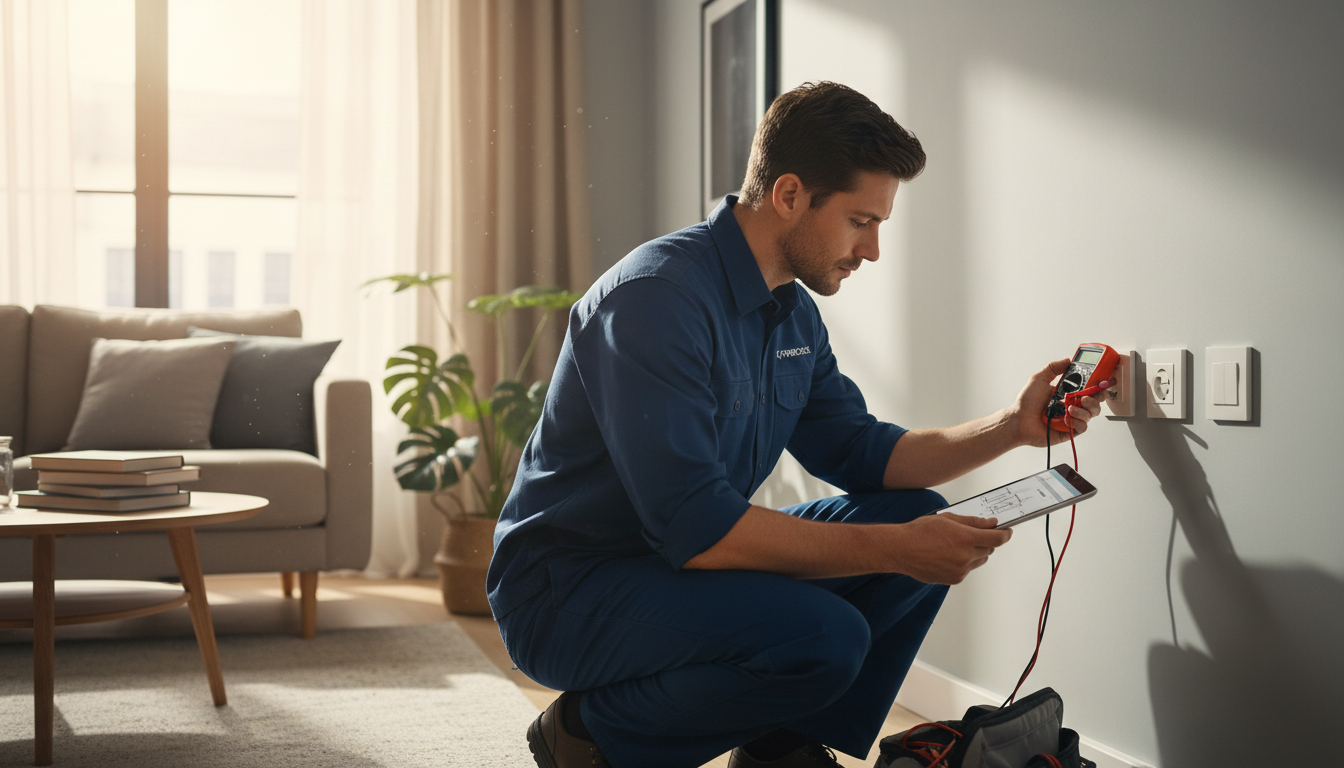
Electrical work is subject to strict codes and regulations to ensure safety. It's vital to understand that these codes can vary by location. For any DIY project, familiarize yourself with your area’s regulations to ensure compliance. Failing to do so can result in fines or unsafe conditions.
When in doubt, consulting with a certified electrician can provide peace of mind and ensure that your home’s electrical system is both safe and up to code.
The Benefits of Hiring a Professional
Hiring a professional electrician offers numerous benefits beyond simply ensuring safety. Professionals bring expertise, efficiency, and the right tools to any project. They can quickly diagnose and fix problems that might take a DIYer much longer to resolve.
Moreover, professional electricians often provide warranties on their work, offering added protection and assurance that the job is done correctly.
In conclusion, while some electrical repairs can be handled by a savvy DIY homeowner, many tasks require professional intervention. Understanding your limits and prioritizing safety will ensure your home remains safe and functional.