DIY Electrical Repairs: What You Can Do and When to Call a Pro


In the world of home improvement, DIY electrical repairs can be tempting. Tackling these tasks can save money and provide a sense of accomplishment. However, it's crucial to understand the limits of what you can safely handle and when it's best to call a professional.
Understanding Your Limits
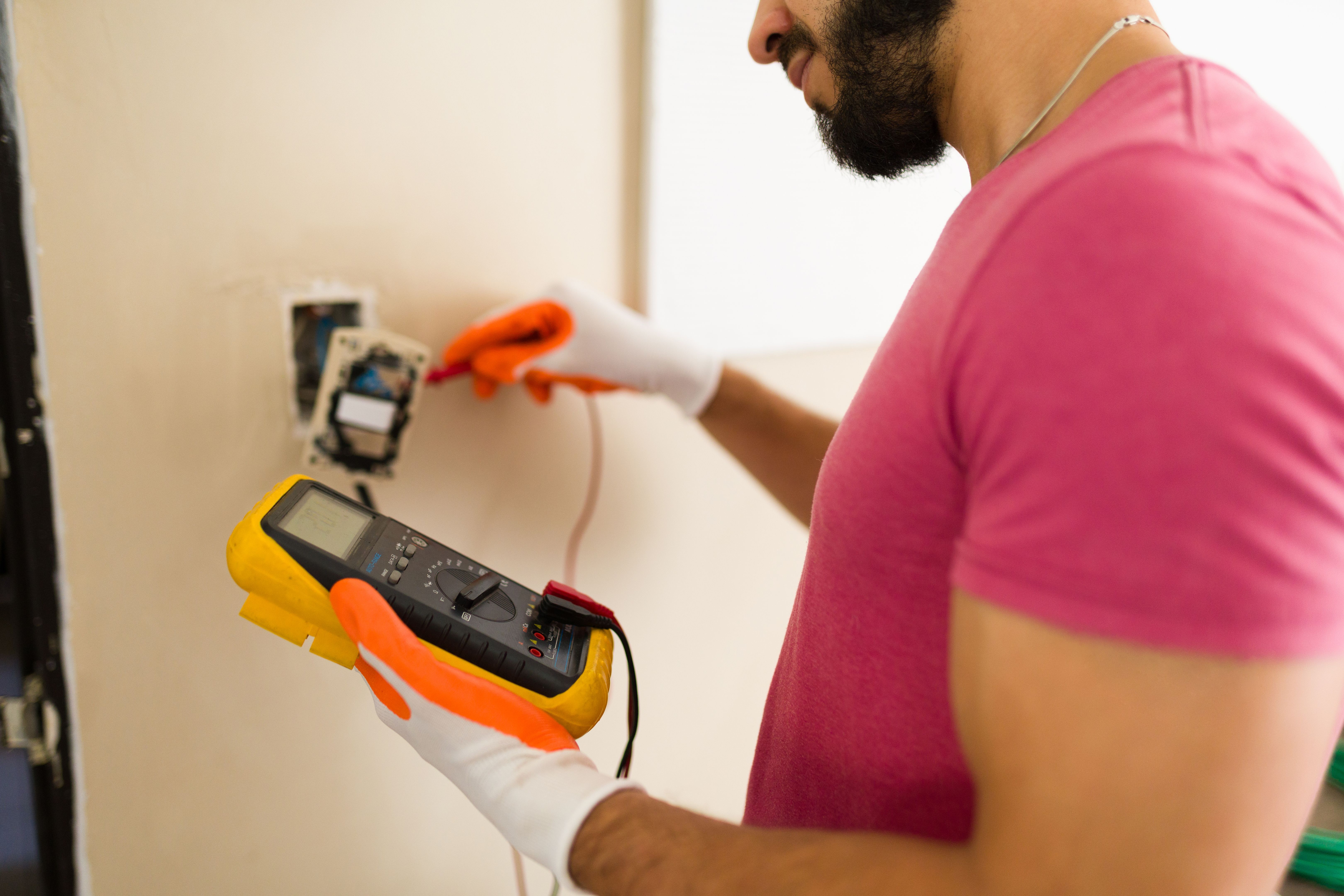
Before diving into any electrical project, assess your skill level. Simple tasks like replacing a light switch or installing a ceiling fan might be within your capabilities if you have basic knowledge. However, more complex issues should be left to the experts to avoid hazards.
Simple DIY Tasks
Certain electrical jobs are generally safe for DIY enthusiasts. Here are a few tasks you might consider:
- Replacing Light Fixtures: Swapping out an old light fixture for a new one is usually straightforward.
- Installing a Ceiling Fan: This can be a rewarding project if you follow instructions carefully.
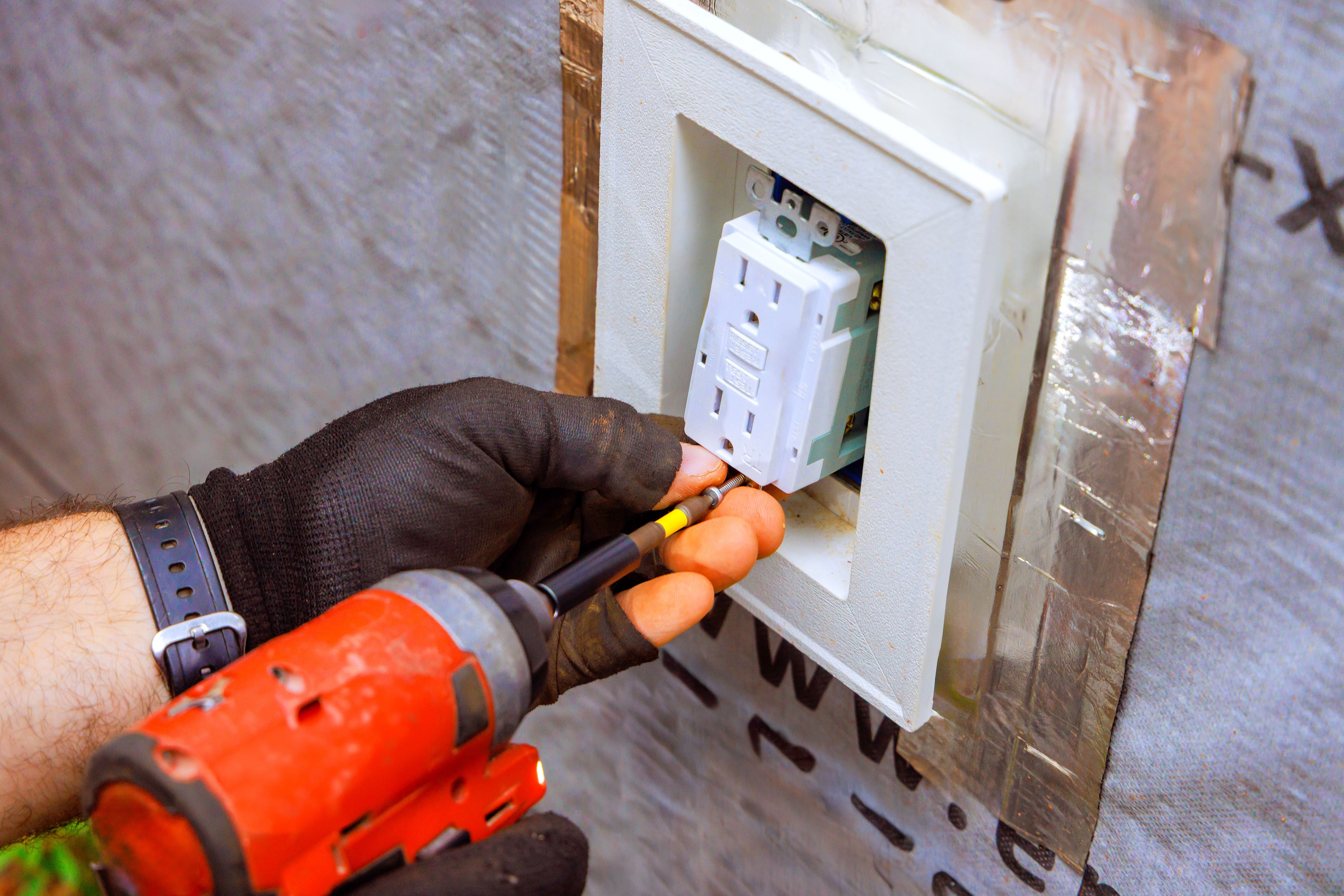
- Replacing a Wall Outlet: If your outlet is damaged, replacing it can be a manageable task with the right tools.

When to Call a Professional
While some tasks are feasible, others require professional expertise. Attempting these projects without proper knowledge can lead to serious safety hazards.
Complex Electrical Repairs
If you encounter any of the following issues, it's best to hire a licensed electrician:
- Frequent Circuit Breaker Trips: This could indicate a serious wiring problem.
- Flickering Lights: This might be more than a simple bulb issue and could require an expert diagnosis.
- Burning Smell or Sparks: These are warning signs of potentially dangerous electrical faults.
Safety First
Whether you're undertaking a simple or complex task, safety should always be your top priority. Always turn off the power at the breaker box before starting any electrical work. Use a voltage tester to ensure that the electricity is off before you begin.
Investing in quality tools and wearing appropriate safety gear, such as gloves and goggles, can also prevent accidents. Remember, when in doubt, it's always better to consult with a professional to ensure the job is done safely and correctly.
By understanding your limits and recognizing when to seek help, you can enjoy the benefits of DIY electrical repairs while keeping your home safe and sound.