Top Myths About Solar Energy Debunked


Solar Energy is Too Expensive
One of the most common myths about solar energy is that it's prohibitively expensive. While it’s true that the initial installation costs can be significant, solar energy systems have become much more affordable over the past decade. Advances in technology and increased competition have driven prices down, making solar energy accessible to more homeowners and businesses.
Moreover, government incentives, tax credits, and financing options can further reduce the upfront costs. In the long run, solar energy can save you money by reducing or even eliminating your electricity bills.
Solar Panels Require Constant Maintenance
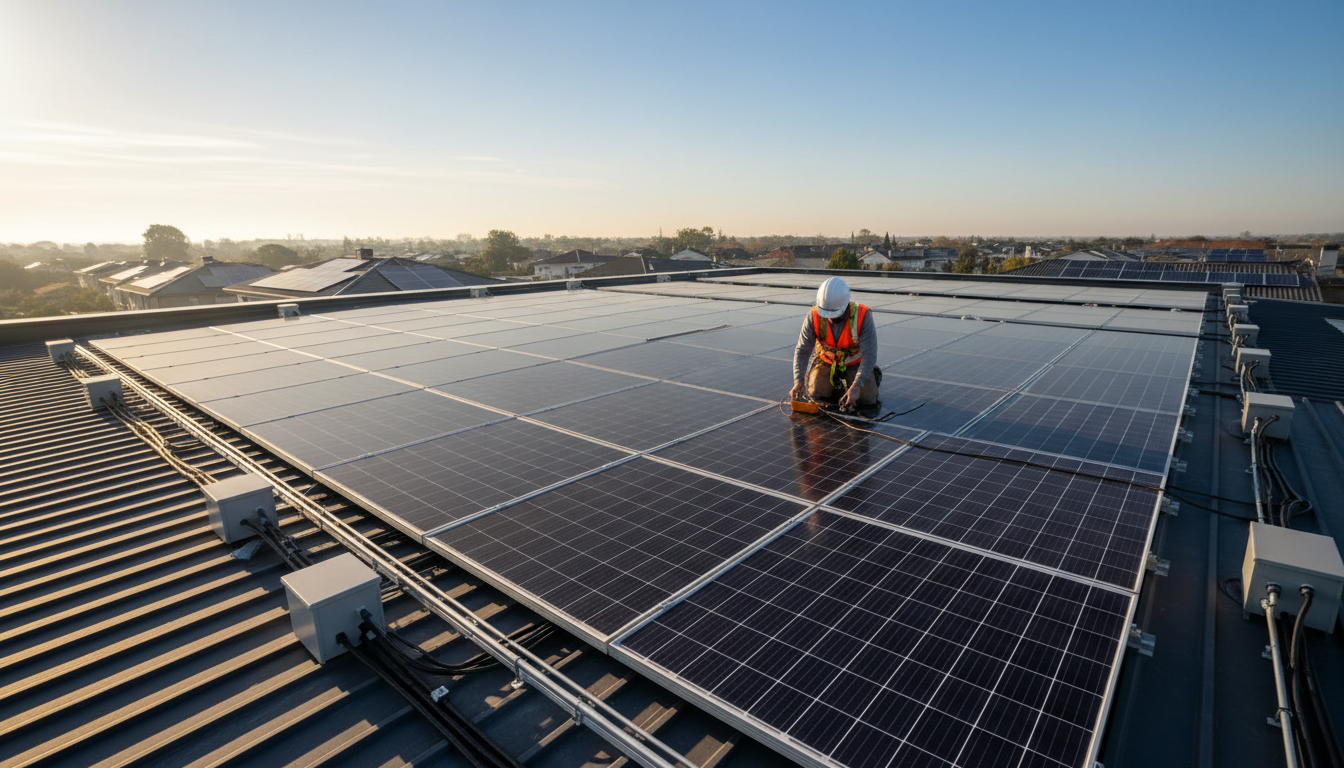
Another misconception is that solar panels require constant upkeep. In reality, solar panels are designed to be low maintenance. Most systems require only occasional cleaning to ensure maximum efficiency. Rainfall often takes care of dirt and debris, and many homeowners find that a semi-annual inspection is sufficient.
Solar panels are built to withstand various weather conditions, and most come with warranties that last 20 to 25 years. This durability means that the need for repairs is minimal.
Solar Energy Isn’t Reliable
Some people believe that solar energy is unreliable because it depends on the sun. While it is true that solar panels produce less energy on cloudy days or at night, this doesn't mean they are ineffective. Modern solar systems often include battery storage solutions that can store excess energy generated during sunny days for use when the sun isn’t shining.
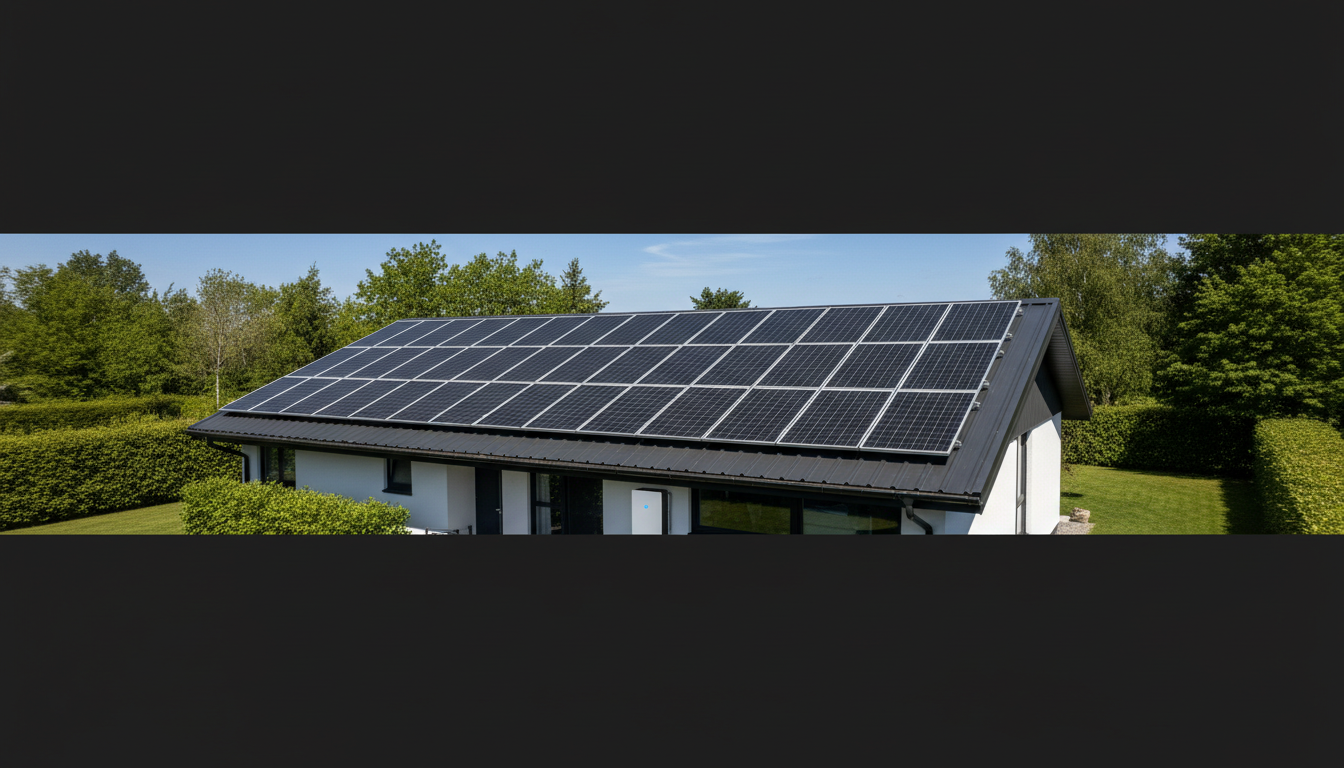
Additionally, grid-tied systems allow homeowners to draw electricity from the grid when needed, ensuring a consistent power supply. As technology advances, solar energy systems continue to become more efficient and reliable.
Solar Panels Are Bad for the Environment
There’s a myth that the production and disposal of solar panels harm the environment. While it’s true that manufacturing solar panels requires energy and resources, the overall environmental impact is significantly lower compared to fossil fuels. Solar panels produce clean, renewable energy that reduces greenhouse gas emissions.
Furthermore, many manufacturers are working towards creating more sustainable production processes and improving recycling methods for solar panels, ensuring a greener lifecycle.
Solar Energy Only Works in Sunny Climates
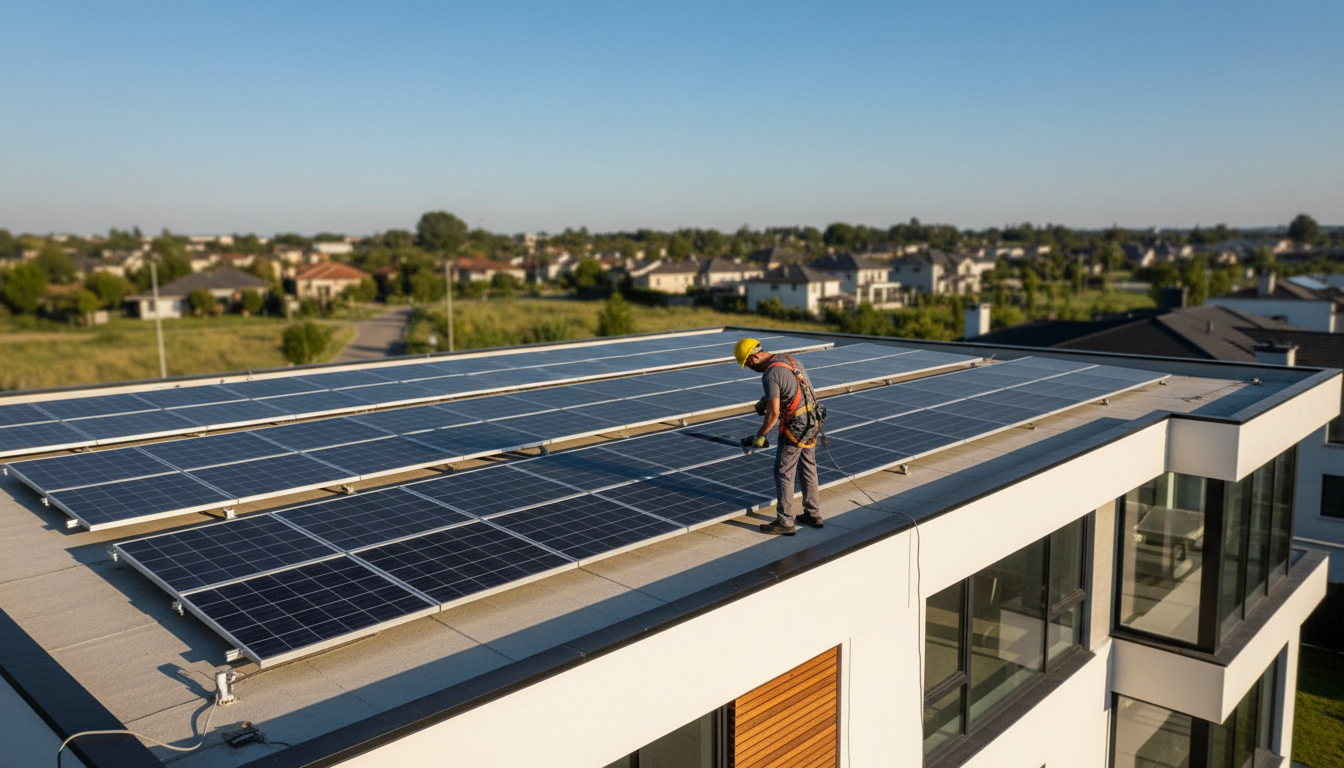
Many people think solar energy is only effective in sunny regions. However, solar panels can generate electricity in various weather conditions, including cloudy or cold climates. Countries like Germany, which is not known for its sunny weather, are leaders in solar energy production.
Solar panels work by converting sunlight into electricity, and they can still produce energy from indirect sunlight. While output may be higher in sunnier areas, solar energy remains a viable option in less sunny locations.